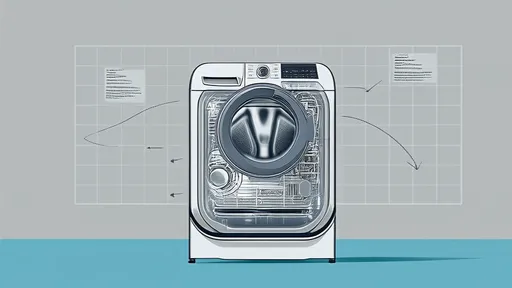
In the bustling rhythm of modern life, the washing machine stands as an unsung hero, quietly tackling piles of laundry with minimal fuss. Yet, while it diligently cleans our clothes, how often do we consider the cleanliness of the machine itself? The concept of washing machine self-cleaning is gaining traction, and for good reason. A self-cleaning cycle isn’t just a luxury—it’s a necessity for maintaining hygiene, efficiency, and the longevity of your appliance.
Over time, washing machines accumulate dirt, detergent residue, and even mold. These build-ups can lead to unpleasant odors, reduced washing performance, and in some cases, mechanical issues. Manufacturers have recognized this problem and are increasingly incorporating self-cleaning functions into their designs. These cycles typically use high temperatures or specialized cleaning agents to break down grime and bacteria, ensuring the machine remains as clean as the clothes it washes.
The science behind self-cleaning cycles is fascinating. Many modern machines employ a combination of hot water and prolonged agitation to dislodge debris. Some models even use ozone or steam to sanitize the drum and internal components. These methods are not only effective but also eco-friendly, as they reduce the need for harsh chemical cleaners. For households with allergy sufferers or young children, a self-cleaning cycle can be particularly beneficial, as it minimizes the risk of bacteria or allergens transferring onto freshly washed laundry.
Despite the convenience of self-cleaning features, many users remain unaware of their importance. It’s easy to assume that a machine designed to clean doesn’t require cleaning itself. However, neglecting this aspect can lead to a host of problems. For instance, a dirty washing machine may leave clothes smelling musty or looking dingy, defeating the purpose of washing them in the first place. Regular self-cleaning cycles—ideally once a month—can prevent these issues and keep your appliance running smoothly.
Maintenance goes hand in hand with self-cleaning. Even the most advanced self-cleaning cycle won’t suffice if the machine isn’t cared for properly. Simple habits, like leaving the door open after use to allow airflow, can prevent mold growth. Using the right detergent and avoiding overloading the drum also contribute to the machine’s cleanliness. Manufacturers often provide guidelines for maintenance, and adhering to these can significantly extend the lifespan of your appliance.
The rise of smart washing machines has further revolutionized self-cleaning. Many high-end models now feature reminders or automatic self-cleaning cycles, taking the guesswork out of maintenance. These machines can detect buildup and initiate a cleaning process without user intervention, ensuring optimal performance at all times. As technology continues to evolve, we can expect even more innovative solutions to keep our washing machines in pristine condition.
Ultimately, the self-cleaning function is a small but crucial feature that makes a big difference. It’s a reminder that even the most reliable appliances need care to function at their best. By incorporating regular self-cleaning into your routine, you’re not just preserving your machine—you’re also ensuring that every load of laundry comes out fresh, clean, and free from hidden contaminants. In a world where hygiene is more important than ever, this simple step can have a profound impact on your household’s well-being.

By /Aug 15, 2025

By /Aug 15, 2025

By /Aug 15, 2025

By /Aug 15, 2025

By /Aug 15, 2025

By /Aug 15, 2025

By /Aug 15, 2025

By /Aug 15, 2025

By /Aug 15, 2025

By /Aug 15, 2025

By /Aug 15, 2025

By /Aug 15, 2025

By /Aug 15, 2025

By /Aug 15, 2025
By /Aug 15, 2025
By /Aug 15, 2025
By /Aug 15, 2025
By /Aug 15, 2025

By /Aug 15, 2025

By /Aug 15, 2025